When to Call for Emergency Tree Service vs. Routine Cleanup
Understanding the difference between urgent tree work and regular maintenance
When a tree on your property starts to look questionable, it can be hard to tell whether you need an emergency tree service or just a scheduled cleanup. The line between the two often comes down to timing, risk, and the type of damage present. A routine trimming job is something you can plan around. An emergency situation involves immediate danger to people, vehicles, or structures. Knowing which category your tree problem falls into helps you respond appropriately and avoid unnecessary stress.
What qualifies as a tree emergency
An emergency tree situation is one where a tree or a large branch has already fallen or is about to fall, and the risk of injury or property damage is high. Common triggers include high winds, heavy ice, or a sudden storm that cracks a trunk or splits a major limb. If a fallen tree is blocking a driveway or a road, the situation becomes urgent because it cuts off access for emergency vehicles and daily travel. Power line hazards are another clear emergency. A tree limb that has brought down a live wire or is leaning on a power line needs professional attention right away. Do not approach or try to move limbs near power lines. The utility company or a certified arborist with proper safety gear should handle that.
Signs that a tree may fail soon
Sometimes a tree does not fall all at once. You might notice a split trunk, a large hanging limb, or soil heaving around the base after a storm. These are warning signs that the tree could give way without much warning. A split trunk weakens the entire structure. A hanging limb, also called a widowmaker, can fall during the next gust of wind. If you see these conditions, it is wise to call a professional who can assess the tree and perform emergency work if needed. Waiting for a scheduled appointment could be risky if the tree is near a house, a carport, or a play area.
Routine tree care: what it covers and when to use it
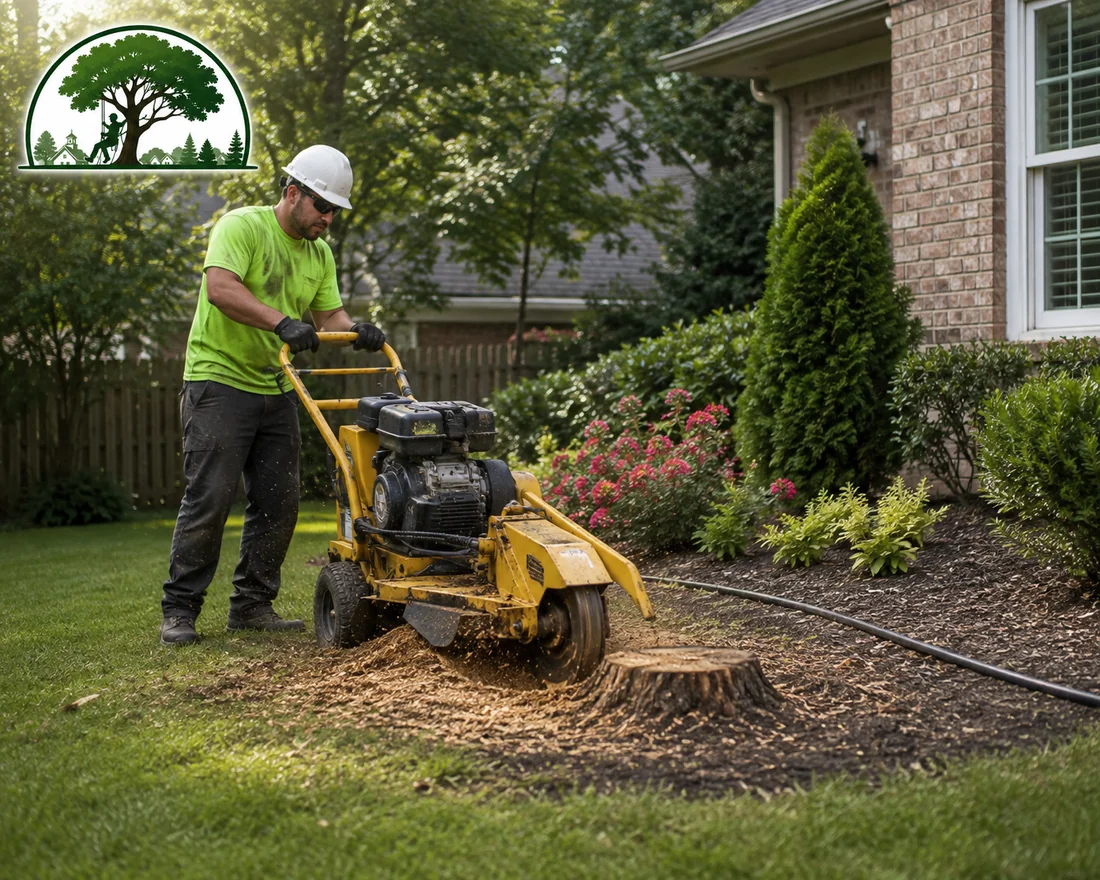
Routine tree service is about prevention and maintenance. This includes regular trimming to remove dead wood, shape the canopy, and improve airflow through the branches. It also covers stump grinding after a tree has been removed, and debris cleanup from normal seasonal leaf drop or minor limb fall. Routine work is done on a schedule that suits you and the tree service. There is no pressing danger, so the job can be planned weeks or months ahead.
For most homeowners, an annual or biannual inspection and trim keeps trees healthy and reduces the chance of a sudden failure. A professional arborist can spot early signs of disease, decay, or structural weakness. Catching these issues during routine visits prevents them from turning into emergencies later. For example, a small dead branch can be removed in a routine trim before it becomes a large hanging limb after a storm.
Comparing the two: timing and cost
Emergency tree service is almost always more expensive than routine work. The urgency means the crew may need to respond after hours, in bad weather, or on short notice. They must work quickly, often in dangerous conditions, which raises the cost. Routine work can be scheduled during regular hours, so the pricing is more predictable and generally lower.
However, waiting too long to address a problem can turn a routine job into an emergency. A small crack in a trunk can widen over a season, and a tree that leans slightly may uproot in the next storm. If you see signs of trouble, it is better to call for a routine inspection than to wait until a limb crashes through a roof. A roof impact from a fallen tree is a clear emergency, and it often causes damage that could have been avoided with earlier maintenance.
Typical tasks for each type of service
Here is a quick breakdown of what each category usually includes:
- Emergency tree service: clearing fallen trees from structures, removing trees blocking driveways, stabilizing split trunks, dealing with power line hazards, and removing hanging limbs that pose immediate risk.
- Routine tree care: regular trimming of overgrown branches, deadwood removal, stump grinding, debris cleanup from normal leaf drop, and general health assessments.
When a storm passes through, the line can blur. A routine cleanup after a mild storm might just mean gathering fallen twigs. But if a large limb is dangling over your car, that is an emergency. The same goes for a tree that has partially uprooted and is leaning toward your house. Site stabilization may be needed to anchor the tree until it can be removed safely.
How to decide what your property needs
Ask yourself three questions. First, is there an immediate threat to people, pets, or property? If yes, you need emergency service. Second, is the tree blocking access to a driveway, road, or doorway? If so, that is an emergency because it affects safety and daily life. Third, could the tree or limb fall within the next few days? If the answer is yes, treat it as urgent.
If the answer to all three is no, then routine care is likely the right choice. You can schedule the work at a convenient time and often get a more thorough job because the crew is not rushed. Routine care also allows for more detailed assessment and planning. For example, if you have a large oak that drops a lot of dead twigs each year, a routine trim can clean up the canopy and reduce the mess.
One important note: never try to handle a tree emergency yourself. Working near power lines, using chainsaws at height, or moving heavy logs can cause serious injury or death. Even a task that seems simple, like removing trees blocking driveways, can involve tension in the wood that makes it unpredictable. Professionals have the right equipment and training to handle these situations safely.
Preventive steps to reduce emergencies
You cannot control the weather, but you can reduce the risk of tree failure. Have a certified arborist inspect your trees every year or two. Keep branches trimmed away from your roof and power lines. Remove dead or diseased trees before they become a hazard. If you notice a crack in the trunk or a root ball lifting, call for an assessment sooner rather than later. These small investments in routine care can save you from the stress and expense of an emergency call later.
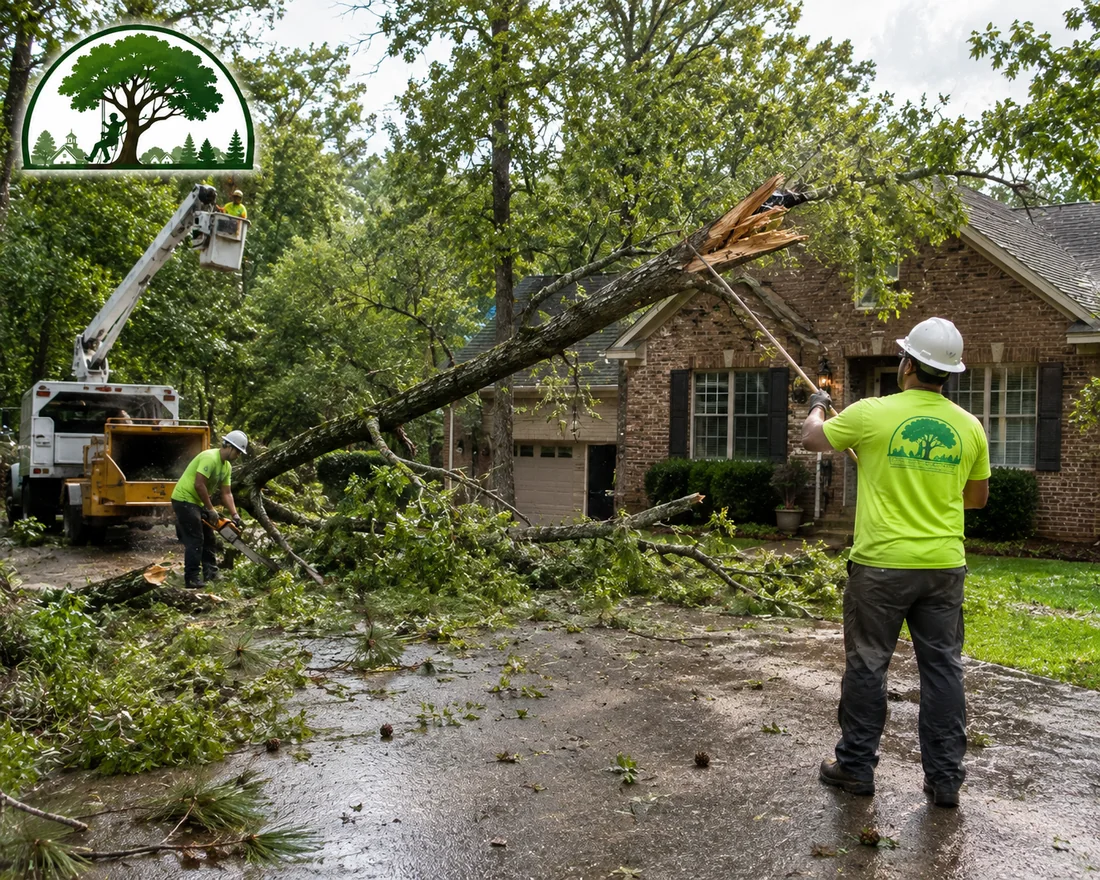
After a severe storm, it is smart to walk your property and look for new damage. Check for hanging limbs, cracks, or soil movement around the base of trees. If you see anything concerning, call a professional. Even if the damage turns out to be minor, a quick inspection gives you peace of mind.
Final points to keep in mind
Understanding the difference between emergency tree service and routine cleanup is about recognizing risk. A fallen tree on a house is an emergency. A tree with a few dead branches is a routine job. When in doubt, err on the side of caution and call a professional. They can tell you whether the situation needs immediate action or can wait for a scheduled visit. Taking care of tree problems early is safer and often less expensive than waiting for a disaster to force your hand.